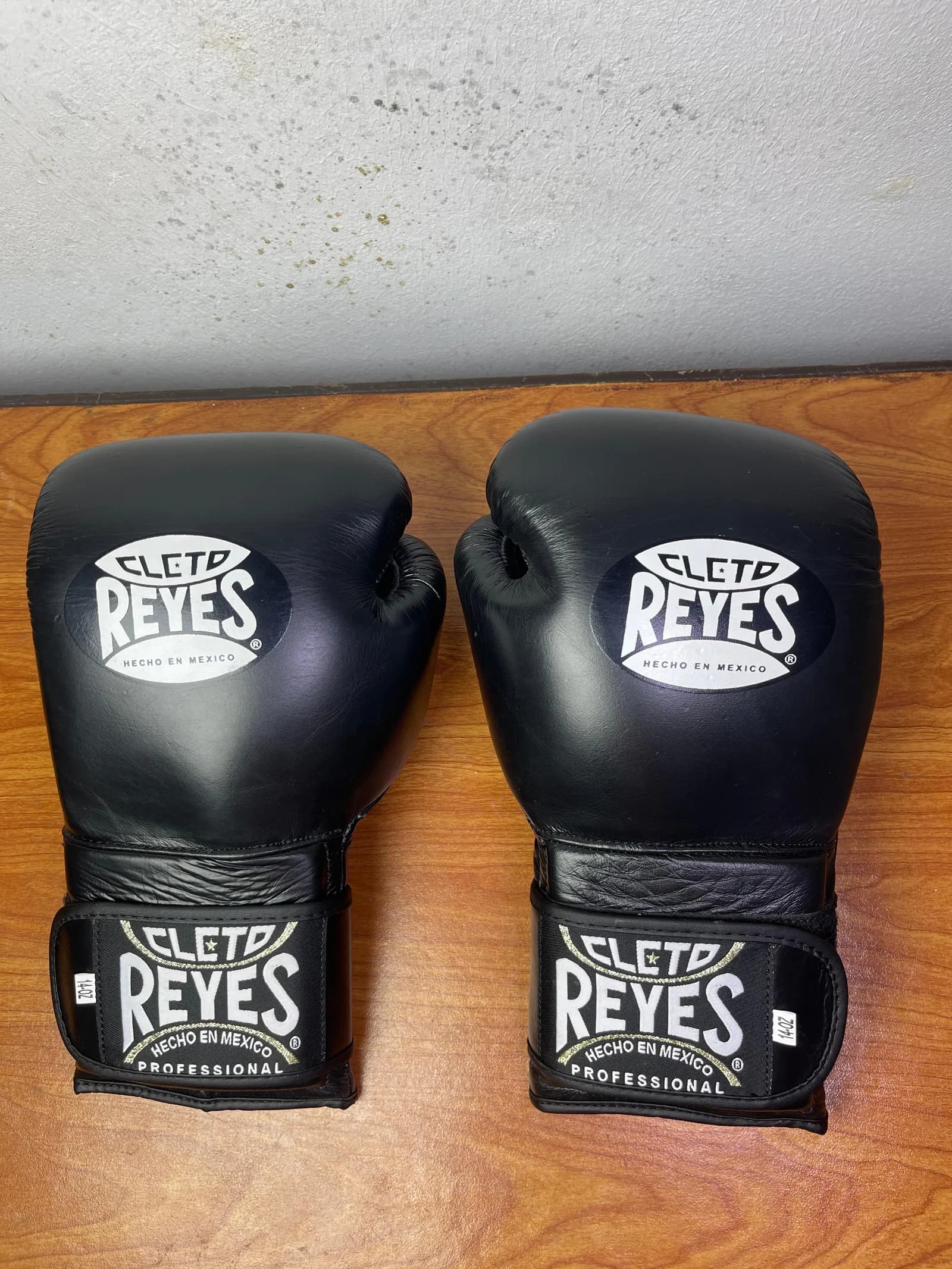
Boxing Glove FAQ for Wholesale Buyers
TitanWrap Production Team · 13 July 2026 · 7 min read
Boxing Glove FAQ for Wholesale Buyers is written for first-time wholesale boxing glove customers who want a clearer way to brief a boxing gloves manufacturer. The goal is not to make every glove sound the same. It is to connect buyer intent, product specification, sampling, quality control and export planning into one practical decision path.
Good custom boxing gloves begin with a use case. A glove for daily gym training, a premium professional boxing glove, a youth programme and a private-label retail launch each need different priorities. When those priorities are written down early, the factory can quote the right build instead of guessing from a logo mockup.
TitanWrap treats each glove design as its own product specification. That matters for image SEO, product pages and production control. A gallery should show multiple views of the same glove, while technical notes explain how material, padding, closure, branding and packaging can be configured for OEM or ODM orders.
Buyer Intent
The first step is answering the practical questions buyers should resolve before ordering. Buyers should describe the user, sales channel, expected order quantity and target price position. This tells the manufacturer whether the glove should lean toward durability, compact professional feel, beginner comfort, premium finish or a balanced wholesale range.
For first-time wholesale boxing glove customers, the strongest brief usually separates must-have requirements from preferences. Must-have points might include glove weight, closure type, brand colours and packaging format. Preferences might include lining feel, stitching colour, photography style or secondary label placement.
This distinction keeps communication clean. If every idea is presented as fixed, sampling becomes slow and expensive. If every idea is vague, the factory cannot protect the product promise. A practical brief gives enough structure for quotation while leaving room for technical recommendations.
Technical Specification
A useful specification should cover materials, weights, closure, branding, sample lead time, MOQ, packaging and shipping. These fields are more than catalogue text. They become the language used by sampling, purchasing, production and final inspection teams when the order moves beyond conversation.
Leather type and surface finish should match the product position. Genuine leather can support a premium story and long-term feel, while premium PU can be useful for gym programmes, entry-level retail and colour-controlled campaigns. Metallic finishes and high-contrast panels need extra attention during sample approval because light, texture and printing can change the final look.
Padding choices affect both safety perception and glove silhouette. Sparring gloves often need a fuller protective profile, while competition-oriented gloves may require a more compact shape. Training gloves need a balance that works for bag work, class use and everyday handling.
Closure should be selected around the user. Hook-and-loop gloves are practical for gyms and retail buyers because athletes can put them on without assistance. Lace-up gloves can suit professional or competition positioning where wrist wrap support and traditional feel are part of the product story.
Practical Specification Checks
Ask whether each specification can be inspected. If the answer is no, rewrite it. A phrase such as premium feel is not enough by itself. Better notes describe material type, padding profile, stitch expectations, colour references, closure style and the approved sample that production must follow.
Use one product code per glove design. Combining different colourways, closures or glove models under one code creates confusion in photography, packing and reorders. A clean SKU structure also strengthens internal linking because every product page has a clear identity.
When a design has multiple angles, keep those images in that product gallery only. Do not use a gallery as a mood board for every glove in the folder. This discipline helps buyers compare products and helps search engines understand each page.
Manufacturing And Sampling
Sampling turns the written brief into a physical decision. The buyer should review hand compartment, thumb comfort, wrist closure, padding balance, stitching, lining, logo placement and packaging before approving bulk production.
A sample comment should be specific. Instead of saying make the wrist better, note whether the cuff needs more support, the strap needs different length, the lace channel needs reinforcement or the closure position needs adjustment. Specific feedback shortens revision cycles.
OEM boxing glove orders usually follow a buyer-supplied direction, while ODM work can involve more development around panels, silhouette, padding and construction. Both paths need documented approval. The approved sample is the reference point for production, photography and future reorders.
Lead time depends on material sourcing, artwork readiness, revision count and order complexity. Buyers should plan sample lead time separately from bulk production time so launch dates do not depend on optimistic assumptions.
Quality Control
sample review, production checkpoints and final inspection records should be written into the order plan. Quality control is strongest when it starts before production, because incoming material checks and in-line review can catch issues that final inspection alone may miss.
For boxing gloves, common checkpoints include pair matching, weight tolerance, stitch consistency, logo position, padding symmetry, liner attachment, thumb construction, closure function and packaging accuracy. The list can change by product type, but it should never be left to memory.
Quality records also help with reorders. When a buyer approves a sample and later orders the same glove again, the product code, sample notes and inspection expectations give both sides a shared reference.
Export And Ordering
Export planning should include clear quote briefs, invoice details and packing confirmations. Boxing gloves are physical products with carton volume, weight mix and packing rules, so shipping should be discussed before the final invoice stage.
Private-label packaging adds another layer. Branded boxes, hangtags, inserts, barcode labels and carton marks all need artwork approval. If the packaging is late, the production order can be ready while the shipment is still blocked by missing print files.
The cleanest order packs product data, artwork, approved sample notes, quantity, carton instructions and shipping destination into one confirmed file. That file becomes the operational reference for production and export teams.
Internal Next Steps
After reading this guide, buyers should compare the related TitanWrap boxing glove products linked on this page. Each product has its own gallery, SEO title, specifications, FAQ and related products so the catalogue works like an international B2B manufacturer range rather than a mixed image dump.
The next practical step is to prepare a quotation brief with target glove type, quantity, weight range, material preference, branding files, colour references, packaging needs and delivery country. A clear brief lets TitanWrap respond with manufacturing options instead of generic assumptions.
Frequently Asked Questions
What should buyers decide first when answering the practical questions buyers should resolve before ordering?
Start with the intended user, order quantity and product role. Those choices shape materials, weights, closure, branding, sample lead time, MOQ, packaging and shipping before pricing or artwork approval should begin.
Can the same article guidance apply to OEM and private-label orders?
Yes. OEM and private-label orders both need a written specification, approved sample and clear quality checkpoints. The difference is how much of the design is supplied by the buyer versus developed with the manufacturer.
How does TitanWrap support wholesale boxing glove buyers?
TitanWrap helps buyers prepare specifications, sample comments, branding requirements and export packing details so production can move from brief to bulk order with fewer surprises.
Which products should be reviewed after this guide?
Review the related boxing glove products and supporting buyer guides linked from this page, especially the glove style closest to the intended training, sparring or competition use.